Dual Diagnosis Treatment: Addressing Co-Occurring Disorders in Recovery
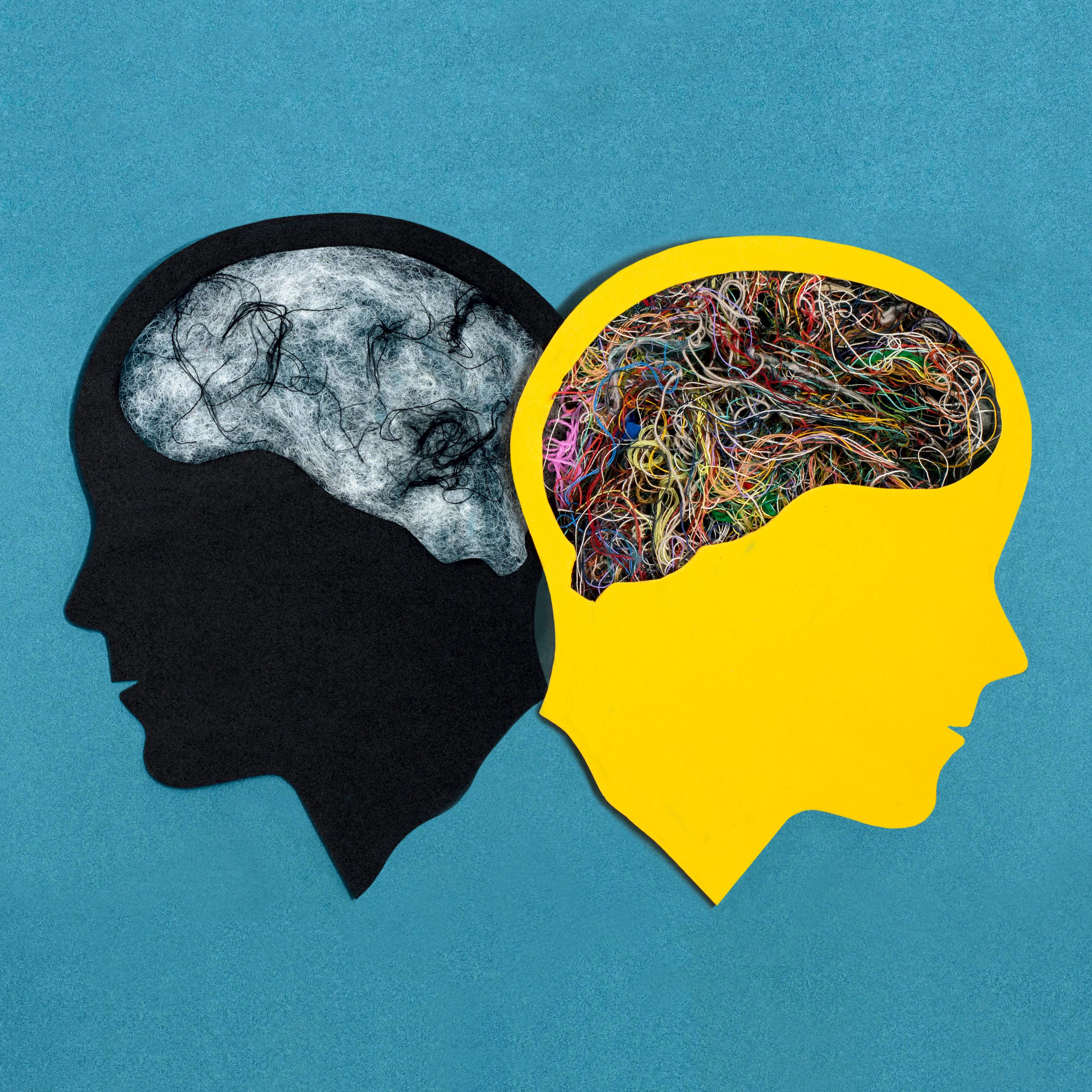
Dual diagnosis treatment addresses both substance use disorder and a mental health concern at the same time. This integrated approach produces better outcomes than treating each condition separately, because the two conditions often fuel each other. Finding a substance abuse recovery program that specializes in co-occurring disorders can significantly reduce the risk of relapse.
When you’re facing addiction and a mental health concern at the same time, it can feel like the ground keeps shifting beneath you. You might wonder which came first, or whether treatment can even help when there’s so much going on at once. These are fair questions, and you’re not alone in asking them.
The good news is that treatment for co-occurring disorders has advanced considerably. Researchers and clinicians now understand that substance use and mental health concerns are deeply connected, and that treating them together, rather than one at a time, produces meaningfully better results.
What Is Dual Diagnosis?
Dual diagnosis refers to the simultaneous presence of a substance use disorder and a mental health concern. You may also hear this called a co-occurring disorder. Both terms describe the same reality: two conditions happening at the same time, each influencing the other.
Some of the most common combinations include:
- Depression and alcohol use disorder: Many people use alcohol to dull feelings of sadness or hopelessness, which can deepen depressive symptoms over time.
- Anxiety and drug use: Some people turn to substances to quiet anxious thoughts, though this often intensifies anxiety in the long run.
- Bipolar disorder and substance use: The highs and lows of bipolar disorder can make substances feel like a way to regulate mood, creating a cycle that’s hard to break without professional support.
The prevalence of co-occurring disorders is significant. According to the Substance Abuse and Mental Health Services Administration (SAMHSA), approximately 21.5 million adults in the U.S. had co-occurring mental and substance use disorders in a single year. Despite this, many people still receive treatment for only one condition at a time.
Why Dual Diagnosis Treatment Matters
Traditional substance abuse recovery programs were often designed to treat addiction alone. That approach can leave underlying mental health concerns unaddressed, which makes lasting recovery much harder to achieve.
When a mental health concern goes untreated, it can act as a persistent trigger for substance use. A person might complete a detox program and feel physically stable, only to find that anxiety or depression pulls them back toward substances. This isn’t a sign of weakness or lack of commitment. It reflects the reality that addiction and mental health concerns share biological, psychological and social roots.
Integrated dual diagnosis treatment addresses both conditions at the same time, rather than sequentially. Research published by SAMHSA shows that integrated treatment leads to better outcomes across multiple measures, including reduced substance use, fewer mental health symptoms and improved overall functioning. Treating the root causes, not just the visible symptoms, gives recovery a much stronger foundation.
This is especially worth keeping in mind when searching for alcohol addiction help near you. Not all programs specialize in co-occurring disorders, and a facility that focuses solely on addiction may not be equipped to address the mental health side of your experience.
What a Dual Diagnosis Treatment Approach Looks Like
A well-structured co-occurring disorders treatment program typically includes several interconnected parts. You don’t need to understand every detail right away. What matters is knowing what to expect so the process feels less uncertain.
Assessment and diagnosis
Before any treatment begins, clinicians will evaluate both your substance use and your mental health. This happens at the same time, not in separate stages. A thorough assessment allows the treatment team to understand how the two conditions relate to each other and to build a plan that addresses both.
Medication management and behavioral therapy
Some people benefit from medication to stabilize mood, reduce cravings or manage withdrawal symptoms. This is often combined with behavioral therapies like Cognitive Behavioral Therapy, which helps you recognize and shift thought patterns that contribute to substance use, or Dialectical Behavior Therapy, which builds skills for managing intense emotions. The combination of medication and therapy tends to be more effective than either approach alone.

Trauma-informed care
Many people seeking drug and alcohol rehab have experienced trauma that sits underneath their substance use. Trauma-informed care recognizes this connection and creates an environment where you can address painful experiences without feeling retraumatized. This kind of care treats you as a whole person, not just a set of symptoms.
Family involvement and support systems
Recovery doesn’t happen in isolation. Family members and close friends often play a meaningful role, and many programs include family education or therapy sessions. Involving your support network can reduce misunderstandings, rebuild trust and strengthen the relationships that sustain recovery long-term.
Aftercare planning
What happens after formal treatment ends matters just as much as the treatment itself. A solid aftercare plan might include outpatient therapy, peer support groups, medication management and community resources. This kind of planning helps you maintain progress when life’s challenges arise again, because they will, and that’s a normal part of the process.
How to Find the Right Substance Abuse Recovery Program
Choosing a substance abuse recovery program can feel like a lot to take on, especially when you’re already managing a great deal. A few key factors can help narrow your options.
- Specialization in co-occurring disorders: Look for facilities that explicitly treat both mental health concerns and substance use disorders together. Ask directly whether their clinical staff are trained in dual diagnosis treatment.
- Evidence-based treatment modalities: Programs should use therapies with a solid research base, such as Cognitive Behavioral Therapy, Dialectical Behavior Therapy or motivational interviewing.
- Licensing and accreditation: Accreditation from bodies like The Joint Commission or CARF signals that a program meets established standards of care.
- Continuity of care: The best programs don’t just treat you and send you home. They build in transition support and aftercare planning from the start.
- Location and duration: Consider whether an inpatient or outpatient setting fits your life circumstances, and ask about the typical length of treatment. Longer programs often produce more durable results for co-occurring disorders.
When searching for alcohol addiction help near me, don’t hesitate to ask potential providers about their specific experience with dual diagnosis. The right program will welcome those questions.

Frequently Asked Questions
What is the difference between dual diagnosis and co-occurring disorders?
Dual diagnosis and co-occurring disorders refer to the same thing: the presence of both a substance use disorder and a mental health concern at the same time. Dual diagnosis is an older clinical term, while co-occurring disorders is the phrasing preferred by SAMHSA and many current treatment providers. Both terms describe a situation where two conditions exist simultaneously and influence each other.
Can dual diagnosis treatment work if I’ve already tried rehab before?
Yes. Many people who’ve completed a previous substance abuse recovery program find that their mental health concerns were not fully addressed at the time. This is a common part of the recovery process, not a sign that treatment can’t work. A program that specifically treats co-occurring disorders may produce different outcomes than one focused on substance use alone.
How long does dual diagnosis treatment typically take?
Treatment length varies depending on the severity of both conditions, your personal history and the level of care you need. Some people do well in an intensive outpatient program lasting several weeks, while others benefit from residential treatment over several months. Your treatment team can help determine what timeline makes sense for your situation.
What mental health concerns are most commonly treated alongside substance use?
According to SAMHSA, the most frequently diagnosed co-occurring conditions include depression, anxiety disorders, post-traumatic stress disorder and bipolar disorder. These conditions often develop alongside or in response to substance use, though the relationship between them can run in either direction.
How do I know if a drug and alcohol rehab program is equipped to treat dual diagnosis?
Ask the program directly whether they offer integrated co-occurring disorders treatment, meaning both conditions are treated at the same time by the same clinical team. Look for licensed mental health providers on staff, evidence-based therapies and a formal assessment process that evaluates mental health alongside substance use. Accreditation from a recognized body is also a positive indicator of care quality.
What should I look for when searching for alcohol addiction help near me?
Start by confirming that the program treats co-occurring disorders, not just addiction. From there, consider the types of therapy offered, the credentials of the clinical team, the availability of aftercare planning and whether the setting, inpatient or outpatient, fits your circumstances. Proximity matters, but the quality and scope of care matter more.
Taking the First Step Toward Integrated Care
When both a substance use issue and a mental health concern are present, treating just one of them leaves the other in place to pull you back. Dual diagnosis treatment closes that gap by addressing both conditions together, which gives you a more complete path forward.
You don’t have to have everything figured out before reaching out. Many people contact a drug and alcohol rehab program while still feeling uncertain about what they need. That uncertainty is part of where most people start, and it doesn’t have to stop you.
Recovery is possible. The first step is simply finding a program designed to meet the full picture of what you’re facing. You can do that at your own pace, and support is available when you’re ready.
If you would like to learn more about our programs, take a look at our services here or give us a call at 208-377-8400.