New Start Center for Recovery
Dealing with a substance use disorder and mental health disorder can be overwhelming. Get the support and care you need at New Start Center for Recovery in Boise.
Why Choose New Start Center for Recovery?
We are an inpatient facility dedicated to helping people with a dual diagnosis of substance use disorder (SUD) and a mental health condition. Participants benefit from a structured and integrated approach to care at our 30-bed freestanding residential facility. Adults 18 and older come to us for behavioral healthcare combined with treatment for alcohol, opioid and other substance misuse.
New Start Center for Recovery is housed on the Intermountain Hospital campus. Our providers have decades of experience serving residents of Boise and Treasure Valley during their hardest moments and most meaningful triumphs. Look to us for:
- 24/7 walk-in service: Someone is always waiting to serve you at Intermountain Hospital. We can assess your needs for residential treatment at New Start.
- 12-day detox: This fast-track recovery plan focuses on getting sober.
- Extended recovery: You can stay for up to 30 days for co-occurring substance use and mental health conditions.
- Medication management: Physicians and nurses oversee detox and mental health medication distribution and administration.
Inpatient Detox and Dual Diagnosis Recovery Program in Idaho
Our compassionate residential atmosphere provides learning and sharing opportunities in a fully equipped location. You have access to communal and creative spaces, a small kitchen and gym, and quiet spots for reading, studying, journaling and reflection.
We provide whole-person care and offer treatment that strengthens you in body, mind and spirit.
New Start Center for Recovery supports your healing with:
- Cognitive behavioral therapy (CBT): This talk therapy challenges negative thoughts that affect daily feelings and behavior.
- Dialectical behavior therapy (DBT): Another form of talk therapy, DBT teaches you how to stay present, balanced and express your needs.
- Evening sessions: These include 12-step programs for alcohol and substance misuse, along with other educational content.
- Family therapy: Family is an essential part of the healing journey. Therapy can help you close gaps, resolve anger and resentment and address substance codependency within the family.
- Narrative therapy: We help you create a new story for yourself by separating your problems and worries from who you are as a person.
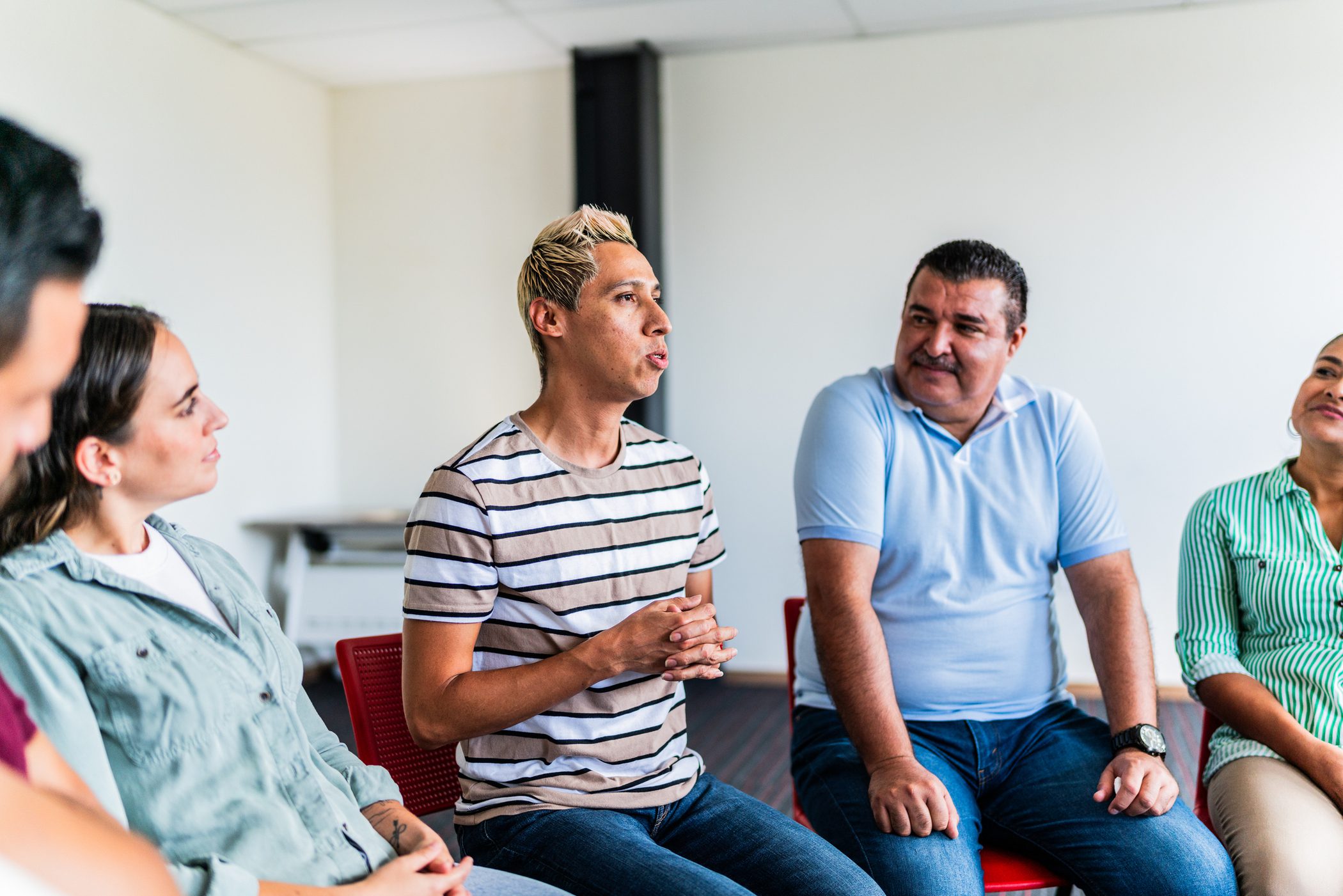
- Resident group meetings: Group meetings are the backbone of treatment within our recovery community. Participants share their experiences and challenges and support each other on the healing journey.
- Trauma-focused CBT: This therapy identifies your trauma beliefs, honors your feelings and helps you reconcile events.
Each day here is also an opportunity to set achievable goals for your health, wellness and future sober lifestyle. Goals center on healthy actions like exercise, journaling, medication adherence, nutrition, reading and sleep.
IV Vitamin and Electrolyte Therapy for Detox
New Start offers optional IV vitamin and electrolyte therapy to help alleviate dehydration, fatigue and related detox discomforts. IV therapy takes place in a dedicated infusion room staffed by registered nurses, under the medical supervision of our addiction specialist.
Discharge from New Start Center for Recovery
The discharge process involves a final assessment to establish the outcomes of your stay. We can prescribe ongoing treatment through our outpatient programs for adults to help continue your recovery. New Start can also connect you with community agencies and help find sober living spaces for anyone unhoused.
Make a Referral for Substance Use and Mental Health Disorders
Our referrals come from families, friends, neighbors, concerned community members, local hospitals and law enforcement. We serve anyone with a dual diagnosis and can intervene before or during a crisis.
Frequently Asked Questions
When someone close to you has a problem, it’s often hard to admit, and even harder to know what to do. The New Start Center for Recovery has helped coach family, friends, and employers to get help for someone they think might need it. Also, we can help you gain understanding and support for yourself as an affected person who cares.
Foundations Recovery Network Affiliate[
 Intermountain Hospital is a proud affiliate of Foundations Recovery Network, a national network of treatment that has delivered evidence-based, patient-centered treatment for over 20 years. Foundations Recovery Network’s mission is to empower individuals to find their unique path to recovery from addiction and co-occurring mental health disorders so they can achieve lasting connection and stability in a recovery-focused life. Through our commitment to clinical excellence, Foundations Recovery Network partners with individuals on their recovery journey by providing individualized care designed to actively remove barriers and embrace diverse pathways to healing. For more information, visit foundationsrecoverynetwork.com.
Get Help Now
Call Intermountain Hospital at 208-377-8400< to reach a licensed mental health professional 24/7. You can also walk in or use our online scheduling form.
Please use our contact form for general questions about Intermountain Hospital services only.
In case of a mental health crisis, call 988. For medical emergencies, call 911 or visit the nearest emergency room.

Start Your Healing Journey
Our compassionate team is here to help patients stay on the path to recovery.